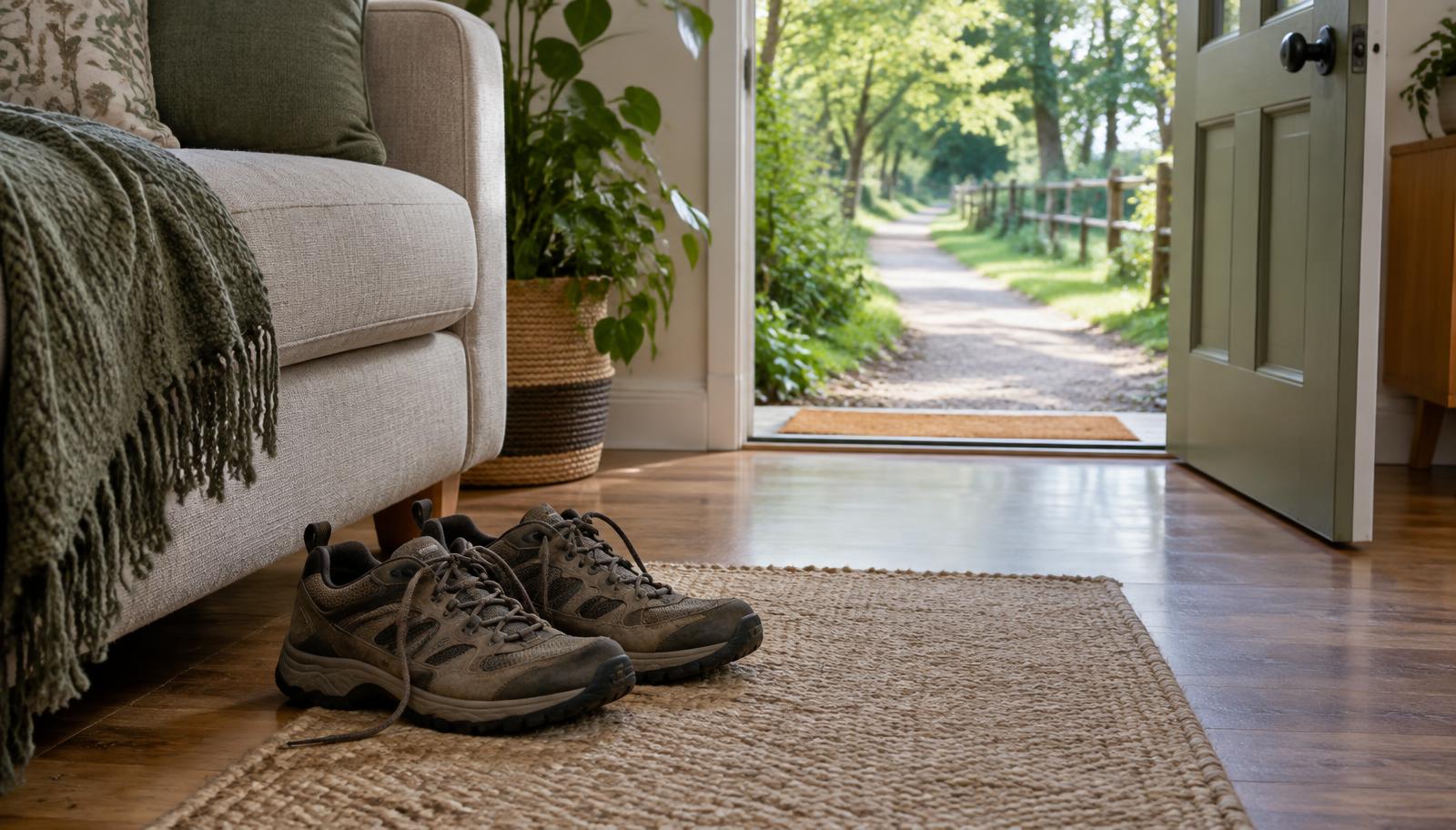
A day can feel easy while asking very little of your body. A long drive, several hours seated, dinner, and an evening on the sofa can add up without ever looking unusual.
The concern is not that sitting is a disease. It is that too little movement can become a lasting pattern alongside other risks for cardiovascular disease and type 2 diabetes. Looking at that pattern is useful whether your day involves an office, a vehicle, caregiving, or time at home.
01Chronic disease is bigger than one habit
Heart disease and type 2 diabetes develop through interacting influences, including family history, age, activity, diet, and other health conditions. No chair, job title, or appearance can tell you your individual risk.
The World Health Organization estimates that noncommunicable diseases caused at least 43 million deaths in 2021. Cardiovascular disease, cancer, chronic respiratory disease, and diabetes make up much of this burden. Most deaths occurred in low- and middle-income countries. WHO: Noncommunicable diseases
This is an American health concern and a worldwide one. The opportunities to move differ, but prevention should not depend on where someone lives or how healthy they look.
02What the sitting evidence actually tells us
A 2024 study in Taiwan followed 481,688 adults for roughly 13 years. People who mostly sat at work had a 16% higher adjusted hazard of death from any cause and a 34% higher adjusted hazard of cardiovascular death than those who mostly did not sit. Original study
Those are relative comparisons, not percentage-point increases in an individual's probability of dying. The study was observational, with self-reported activity and sitting. Other differences between participants may have influenced the results.
The accompanying field note summarizes this occupational example. It does not measure every form of sitting or prove that sitting caused a particular illness. It supports asking a broader question: how much of our everyday life allows movement?
03An exercise session is only part of the day
Regular exercise matters. So does what happens during the hours around it. WHO recommends regular physical activity and limiting sedentary time, including replacing some sitting with activity of any intensity. WHO activity guidelines
You do not need to turn every break into a workout. A comfortable walk, a household task, or movement adapted to your abilities can create variation. Start gradually if activity has been limited, and seek advice when a condition or treatment affects what is appropriate.
The question is not just whether you exercise. It is how the rest of your day moves.
04Make the easiest change a repeatable one
Look for one stretch of the day that is consistently still. Could you move before settling into an evening program? Break up a long seated task? Add a short, comfortable activity to a routine you already keep?
Choose an option you can repeat rather than an impressive target you dread. Pain, disability, fatigue, and caregiving can alter the plan. A missed day calls for an adjustment, not a judgment about commitment.
At the office, this might mean space between meetings or reliable coverage for breaks. At home, it might mean putting walking shoes by the door. The setting supports the habit; it is not the whole health story.
05Standing all day is not the answer
Less sitting does not mean everyone should remain upright indefinitely. NIOSH notes that demanding occupational activity and prolonged standing do not necessarily provide the same benefits as leisure exercise. Tasks, physical load, and recovery matter. NIOSH: Occupational physical activity
The aim is suitable movement and variation, not replacing one rigid posture with another. A standing desk is an option, not a disease-prevention guarantee.
06Make prevention more than a movement goal
Movement belongs alongside attention to blood pressure, blood sugar, food, sleep, and tobacco exposure. Ask a qualified clinician which checks fit your age, history, and circumstances. Feeling well does not rule out every developing condition.
If you already live with a chronic illness, improving a routine should support your care—not replace prescribed treatment or make you responsible for having developed the condition. Start with one manageable change and the support needed to keep it.
Next in this series: When Stress Becomes Your Normal.
Sources & Further Reading
Disclaimer
35 Forward provides educational analysis, not individual medical advice. Risk factors and population-level findings do not diagnose disease or predict an individual outcome. Observational associations do not establish causation. Consult an appropriately qualified healthcare professional for personal risk assessment, symptoms, screening, and treatment decisions.